








For generations, the path to a respected university followed a predictable, if stressful, script. But the 2025-2026 admissions cycle is shaping up to be a period of historic upheaval. A “perfect storm” of policy reversals, technological disruption, demographic shifts, and legal mandates is fundamentally rewriting the rules of the game. For families, this creates a
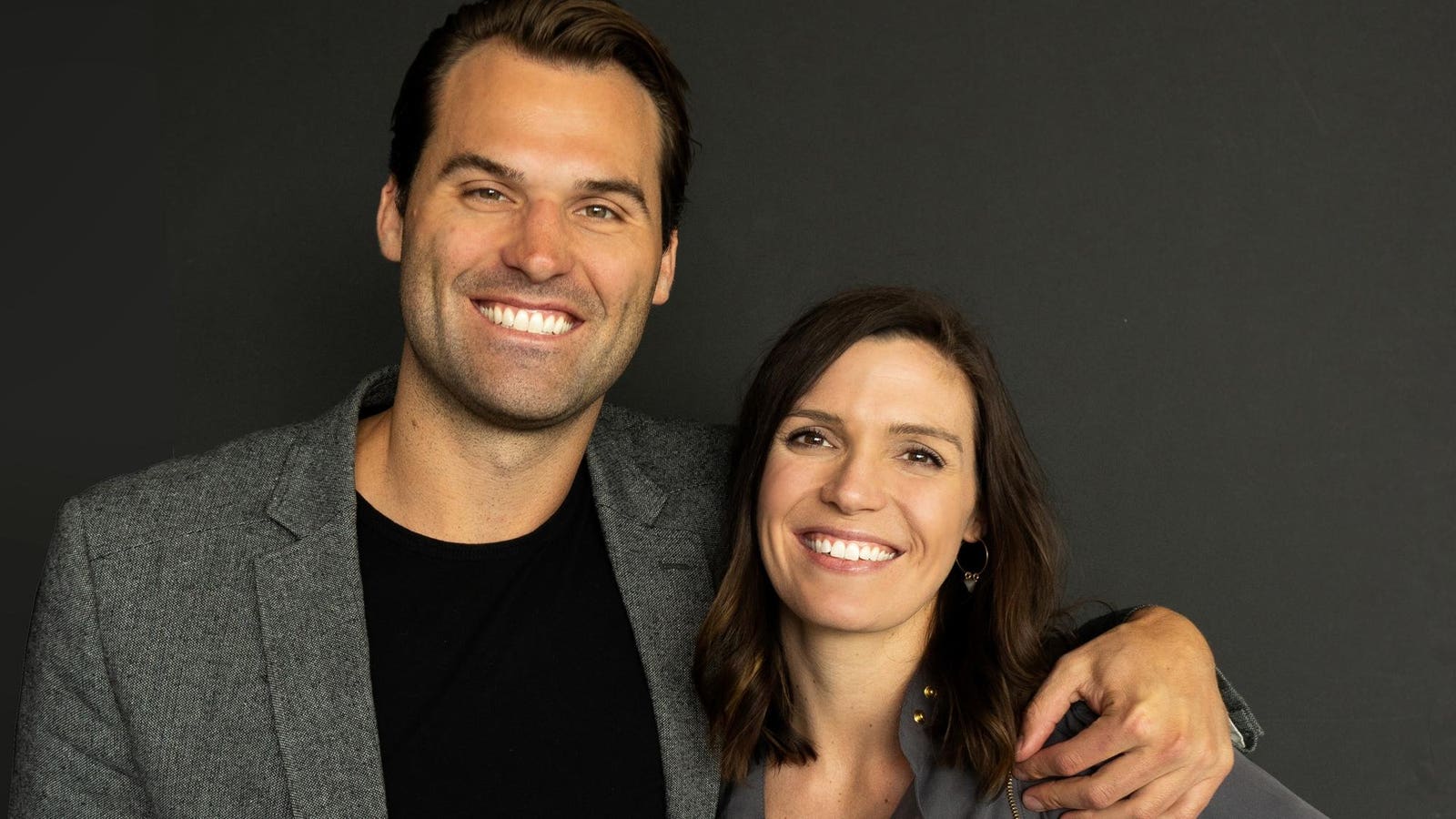
As the Ozempic Generation seeks to make its calories count, one Minneapolis-based manufacturer of pea and soy protein powders has been quietly grown into an AgTech powerhouse amid shelves lined with protein-packed cereals, pastas and sports drinks. “What GLP1-users all want is to get more protein in their diet,” says Tyler Lorenzen, CEO of Puris…

More than 30 years have passed since Reginald Lewis made history by becoming the first Black American to own and operate a billion-dollar corporation, after he led the $985 million leveraged buyout of the food conglomerate Beatrice International. His 1987 buyout made headlines on Wall Street and, by 1991, earned the Baltimore native a spot…

(Photo by Hakan Nural/Anadolu via Getty Images)Anadolu via Getty ImagesAmazon-owned cloud service AWS on Tuesday debuted Elemental Inference, a set of AI-based tools to automate identifying, clipping and generating within seconds social-media friendly vertical highlight clips from live sports streamed in traditional horizontal aspect ratios. The new tools integrate with AWS’ existing package of online-video…

Image captured from video posted on Telegram by the Russian Ministry of Defense. The video shows a Russian D-30 howitzers shooting at Ukrainian positions in the Dnepropetrovsk direction. The video was posted on February 19, 2026.Social Media CaptureRussian military doctrine has historically centered on artillery, often called the “King of Battle” for the destructive power…

Topline Billionaire Elon Musk’s artificial intelligence chatbot Grok this week pushed back on his repeated advice for users to upload personal medical information to solicit “a second opinion” from the technology, warning users against the practice and claiming it’s not qualified to provide medical guidance. Key Facts Over the last year, Musk has repeatedly encouraged
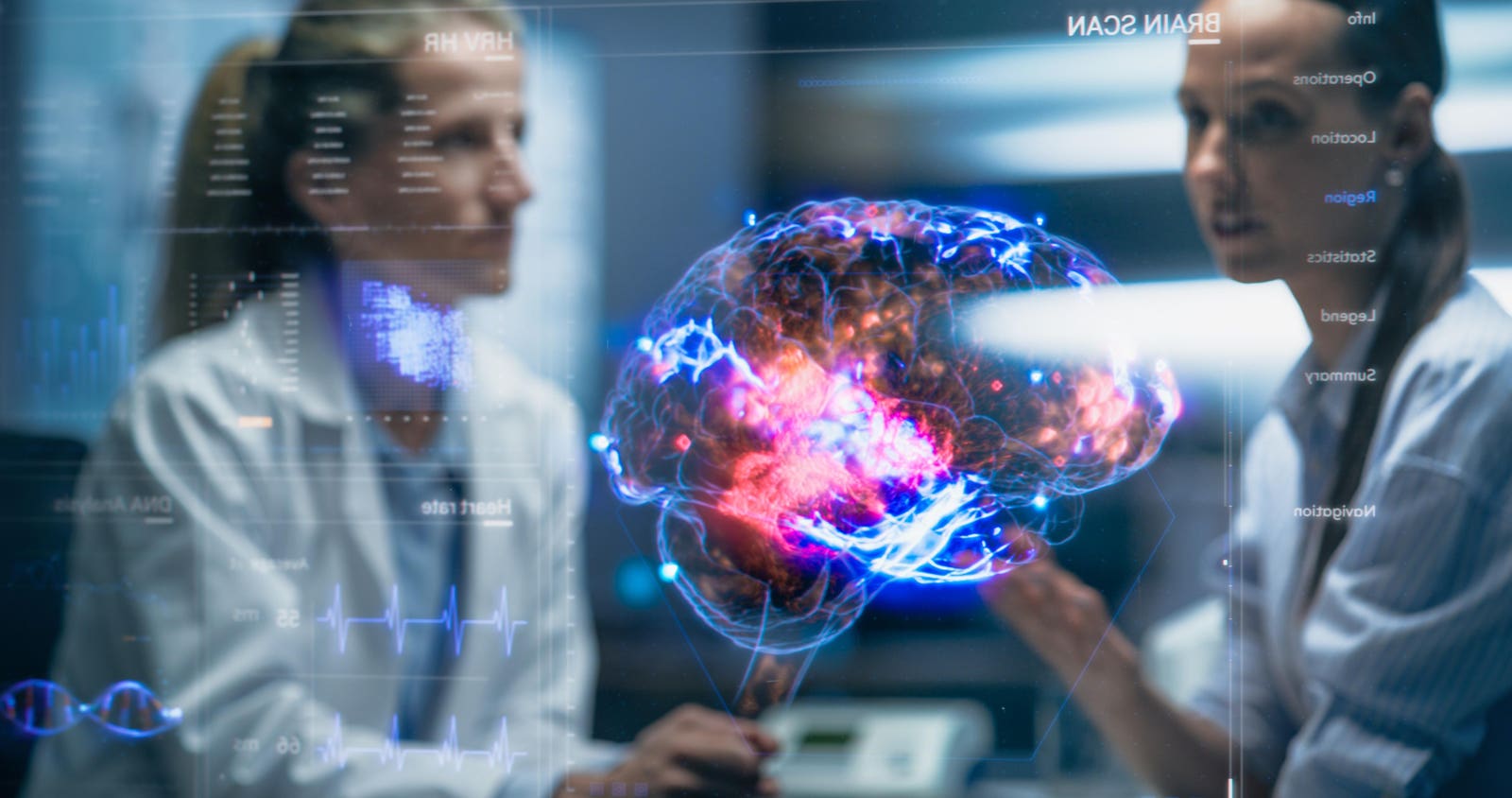
In ancient Rome, generals were forbidden from marching their armies across the Rubicon River. Doing so meant defying the Republic and abandoning any possibility of retreat. Once crossed, there would be no turning back. In American healthcare, three powerful institutions have now crossed a similar line. For years, the nation’s leading technology companies, health systems

As we move deeper into AI transformation, there is a growing tendency to focus on the obvious productivity gains. Generative and agentic AI are clearly changing how work gets done. However, I believe the more consequential shift is not about efficiency. It is about changing how software companies fundamentally operate, how they engage customers, and
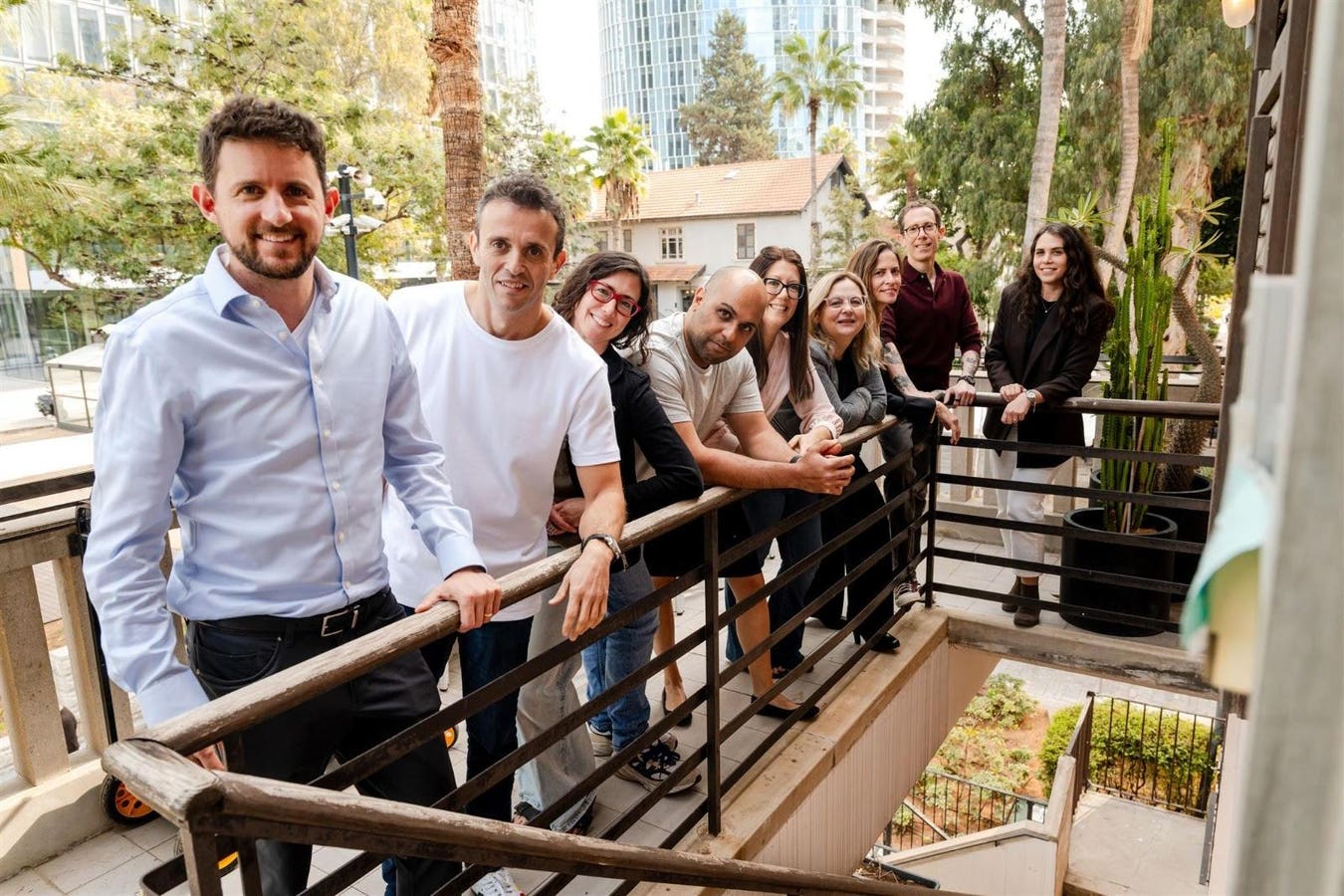
Will the AI bubble burst? Will AI eat software companies? What is the real promise of AI? These questions are top of mind for investors, enterprises, and the public in early 2026. It’s difficult to make predictions, especially about the future, so to get answers to these questions, I turned to someone fully engaged in

Matt Shumer is an investor at Shumer Capital, an early-stage investing vehicle focusing on AI startups. He’s also someone with some experience in tech, as CEO of OthersideAI, an applied-AI software company best known for building the HyperWrite software suite. But now, he’s also, famously, a writer: an essay Shumer posted just days ago has
 Bitcoin
  Ethereum
  Tether
  XRP
XRP  BNB
BNB  USDC
USDC  Solana
  TRON
TRON  Figure Heloc
  Lido Staked Ether